Before attending Rutgers, Stephanie Avila helped establish her Paterson, N.J. high school’s first “Justice Day,” an event designed to educate her peers on topics of discrimination and inequity.
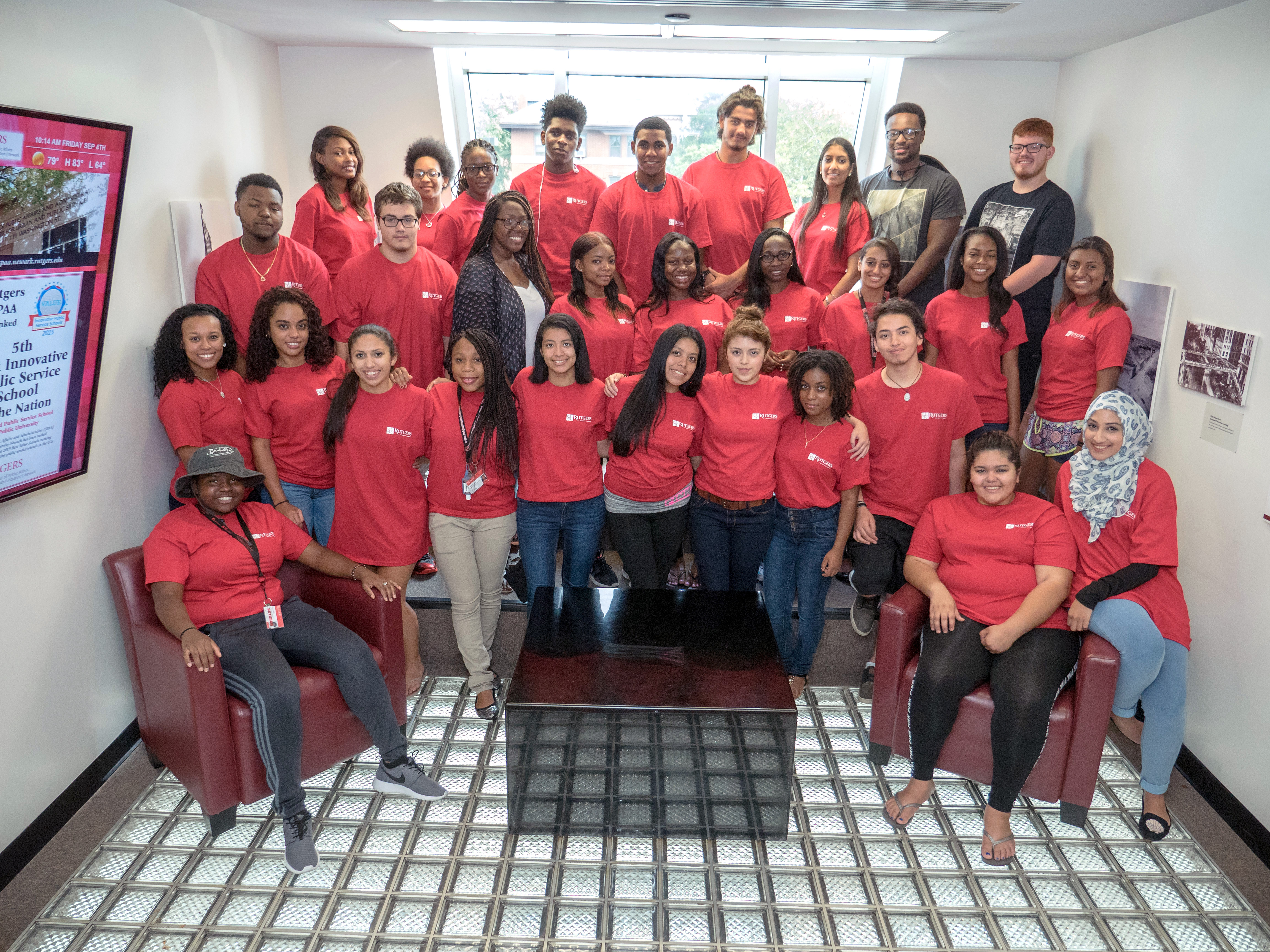
Avila says Rutgers University-Newark’s new Honors Living-Learning Community (HLLC), in which students live and learn together to become citizens connected to their communities, allows her to engage with peers who may have differing opinions, but similar passions and goals.
“We have a responsibility as the social justice learning community to exemplify what that means,” said Avila, who is currently a first-year student in the Newark College of Arts and Sciences.
With a curriculum centered on themes of social justice, the HLLC is preparing students to tackle the world’s most pressing problems, including poverty, discrimination and health disparities. One such course in the program is “Introduction to Social Justice,” which addresses topics ranging from rape culture in the United States to racial disparities in the excessive use of force by police officers.
The residential community, which began in fall 2015 with 30 students, will expand to 60 students next year and continue to grow until the HLLC has 500 students focused on “Local Citizenship in a Global World.”
Rutgers University-Newark Chancellor Nancy Cantor believes the HLLC is the solution to shortcomings in college admissions processes, which typically rely on traditional academic indicators to identify talent and college readiness.
“The HLLC is exploring bold innovations in how we at RU-N – and at colleges and universities more generally – identify talent and set new expectations for students from Greater Newark and across urban America to thrive in college,” Cantor said.
The HLLC has been co-developed and co-led by Shirley M. Collado, RU-N’s executive vice chancellor and chief operating officer, and Sherri-Ann Butterfield, senior adviser to the chancellor and senior associate dean of Faculty of Arts & Sciences. They envisioned an honors initiative that challenges traditional frameworks and emphasizes access and success through a more collaborative model.
“If the term ‘honors’ continues to be reserved for a narrow pool of students who fit certain academic criteria, we are failing to acknowledge the merit of the myriad students whose contributions are critical to our society,” Collado said.
The community favors a holistic admissions rubric to assess a student’s ability to both thrive in college and contribute to the greater good. A residential scholarship is awarded to all HLLC students in addition to supplementary assistance for tuition and school fees.
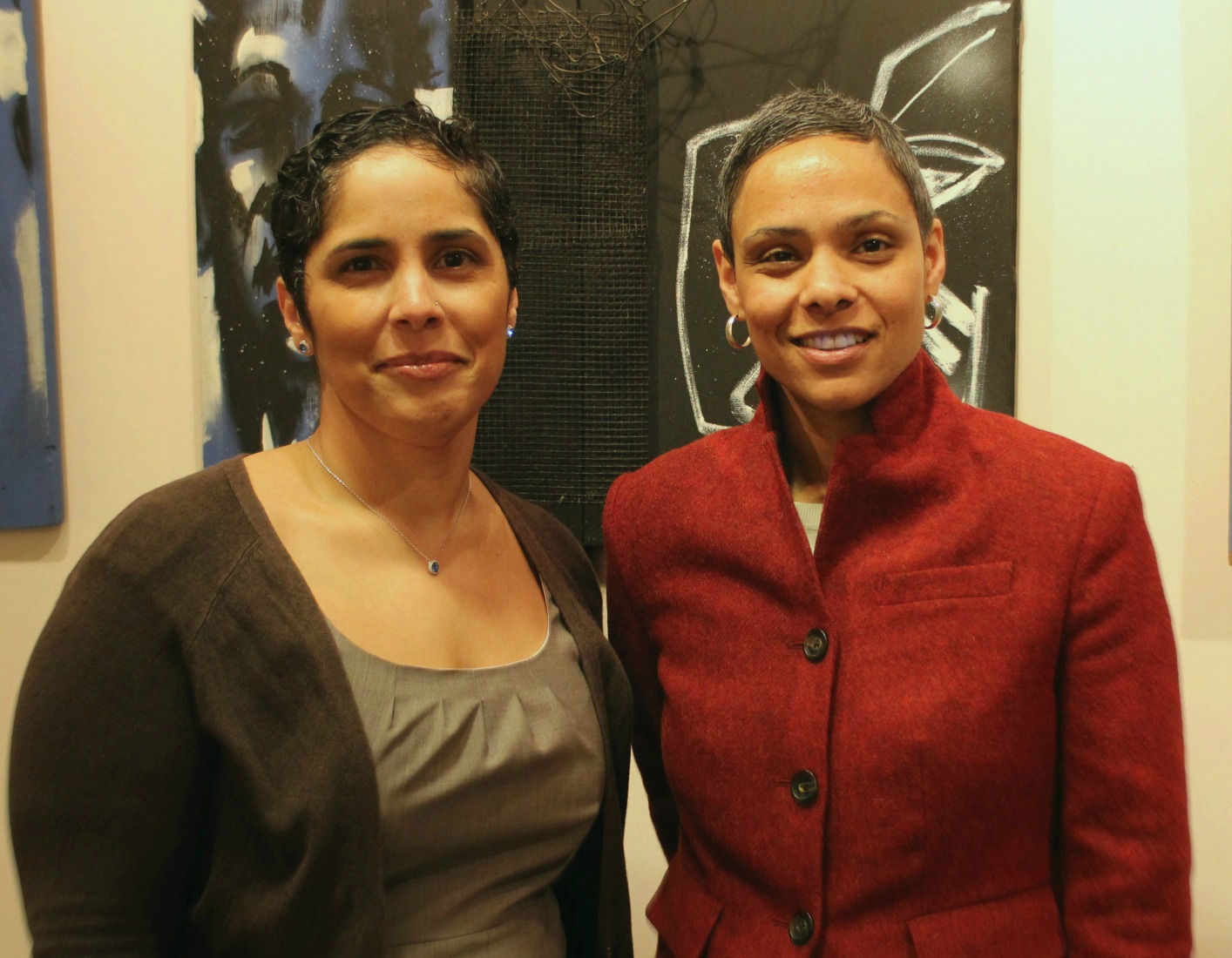
“First-generation students, low-income students, and a variety of other student populations often face real structural barriers to college admission and degree completion,” says Marta Esquilin, the inaugural associate dean of the HLLC. “We are committed to eradicating those barriers for academically promising, talented and civic-minded students and providing them with the tools to succeed.”
Daniel Hernandez, a first-year student in the School of Criminal Justice from Hawthorne, N.J., credits the HLLC with exposing him to a positive and empowering community.
“What we’re doing here is special. It’s not something that you see every day, and it’s definitely something that you want to a part of,” Hernandez said.